Every travel brand on the planet is suddenly very passionate about the environment. Shocking timing, we know.
But here’s the thing: ecotourism is a real category of travel, and when it’s done right, it’s seriously worth your attention. The problem is that the word gets thrown around so loosely that it has lost almost all meaning. So let’s fix that.
The Actual Definition
According to Miriam Webster Dictionary ecotourism is “the practice of touring natural habitats in a manner meant to minimize ecological impact.”
That’s it. Not super complicated.
What it is not is a resort with bamboo furniture or any tour that takes place somewhere in the vicinity of a tree.
Three Pilars of Ecotourism
- Low impact on the environment. This means small group sizes, no off-road vehicles tearing through habitat, waste management practices that actually work, and operators who think about what they leave behind beyond a five-star review.
- Economic benefit to local communities. Your money should stay in the destination. Local guides, locally owned lodges, locally sourced food. Not a multinational hotel brand collecting revenue in another country while locals work for minimum wage at the front desk.
- Education and awareness for the traveler. A real ecotourism experience teaches you something. About the ecosystem, the wildlife, the culture, the conservation challenges. You leave knowing more than when you arrived. That’s the point.
The thing is, that’s not always what is happening with some brands that label themselves as “ecotourism.” The term “ecotourism” has no universal legal definition which means anyone can use it. And plenty of companies do, without meeting a single standard that would actually qualfy them.
This is called “greenwashing” and it’s becoming much more common. This is one reason why booking ecotourism through a knowledgeable travel advisor matters more than booking a random beach resort or a tour with a company you found on Google claiming ecotourism, while at the same time brings in guides from outside the local area to run the tour.
Red flags to watch for are vague language with no specifics, no third-party certifications, no mention of how local communities benefit, and lodges that are clearly owned and operated by outside corporations. If the “eco” property has 400 rooms and a swim-up bar, you should ask a few more questions.
Who is doing ecotourism right?
Some destinations have made genuine, measurable commitments to responsible tourism. These are the ones worth your time.
Costa Rica has been a leader in conservation-based tourism for decades. Its national park system protects nearly 30% of the country’s land, and tourism dollars fund a significant portion of that conservation work. Palau (a small island nation in the Pacific) requires every visitor to sign a pledge committing to responsible behavior. New Zealand has built its entire tourism identity around natural landscapes, and its sustainability commitments are among the most structured in the industry. If you’re looking for some adventure, parts of East Africa (particularly in Kenya and Tanzania) have community-based safari models where local tribes are co-owners and primary beneficiaries of tourism revenue. The result is that wildlife conservation becomes economically valuable to the people living alongside it.
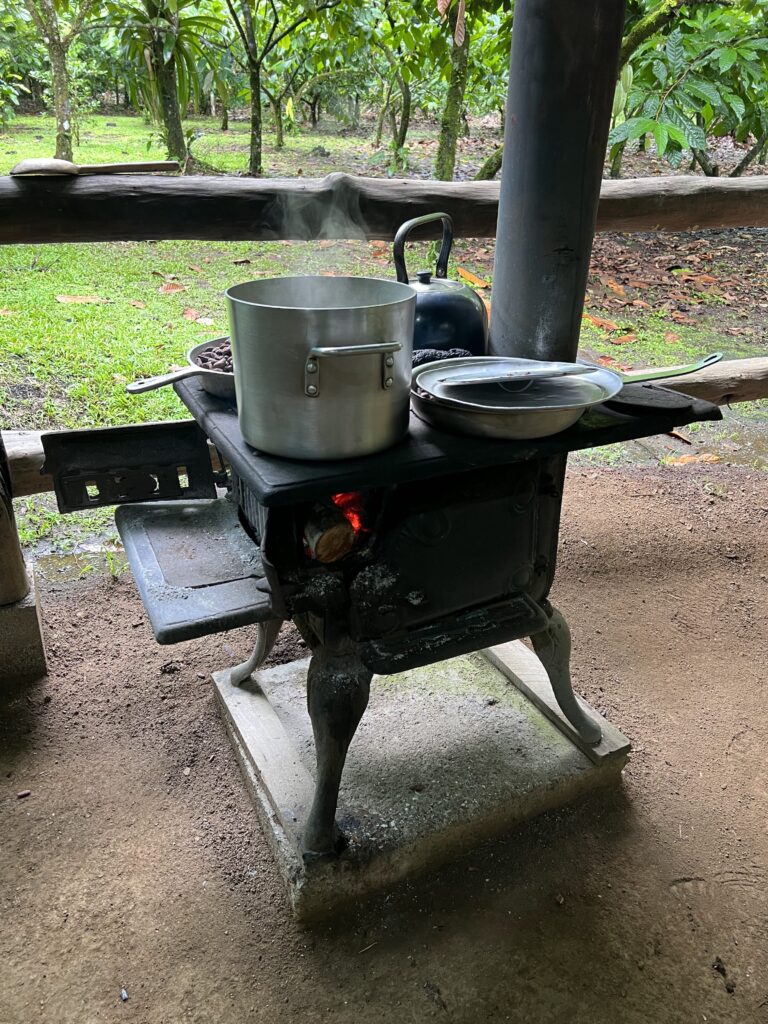
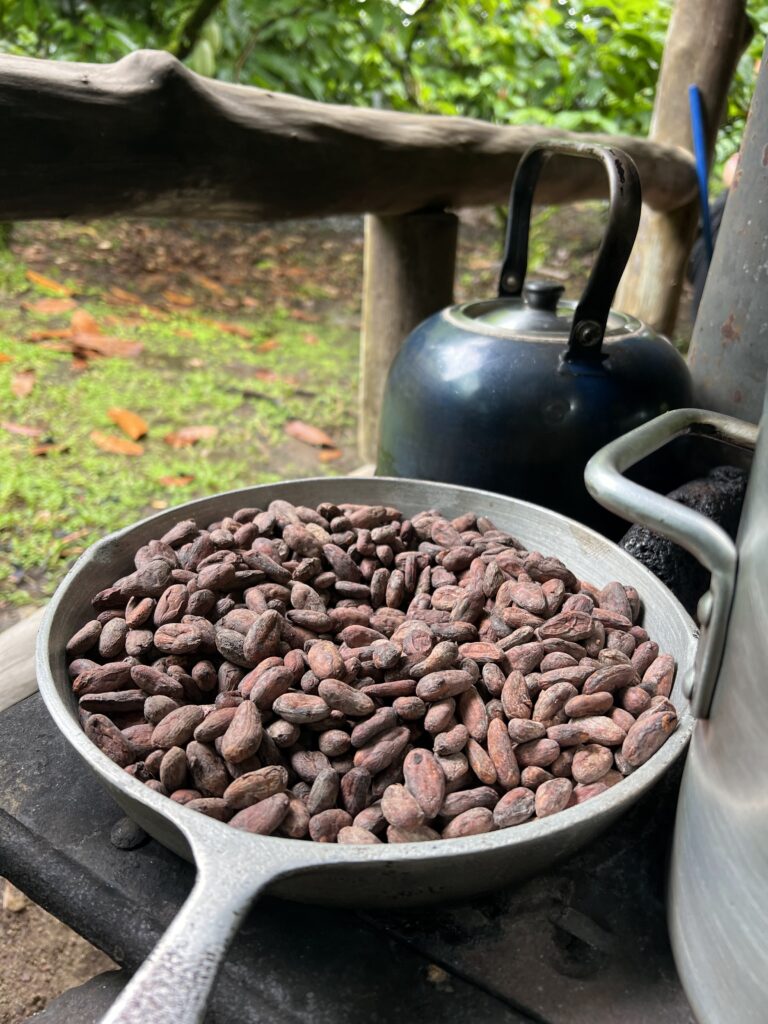

What does ecotourism look like in the real world?
Ecotourism experiences tend to be quieter and more immersive than conventional tourism. You might be snorkeling a reef in Belize with a marine biologist explaining what you are looking at and why it matters, or staying at a lodge in the Amazon that employs workers from the surrounding villages and funds a reforestation program on-site. It might be dining at the Parwa Community Restaurant in the Sacred Valley in Peru which has been supported by local tourism to become a successful farm-to-table program that boosts the local economy and has created several spin-off microenterprises.
How do I know if I’m working with a true ecotourism partner?
Legitimate ecotourism operators will have third-party certifications (look for Rainforest Alliance, GSTC, or destination-specific programs like Costa Rica’s CST). They will be transparent about how their revenue is distributed locally. They will limit group sizes. And they will have documented environmental practices, not just a paragraph on their website about “loving nature.”
Working with a knowledgeable travel advisor allows us to vet these operators so you do not have to spend three hours reading sustainability reports before your vacation.
If ecotourism is on your radar, reach out. There is a right way and a very wrong way to do this, and the difference matters more than it might seem.